Brazilian Politics in 2026
February 25, 2026 - 3:00 pm
Room 9207
The Graduate Center, CUNY
Brazil stands at the precipice of a critical and challenging year. In October 2026, 79-year-old Luiz Inácio Lula da Silva will run for his fourth term as president after a tumultuous decade in Brazilian history that included a presidential impeachment, the right-wing populist presidency of Jair Bolsonaro, and a coup attempt. After Da Silva and his allies won the 2022 general elections by a narrow margin, the right made important gains in the 2024 municipal elections. International political and trade tensions with the US have further complicated matters domestically. Crime and violence continue to affect the country, most notably with the recent murder of more than120 at the hands of police in Rio de Janeiro. This panel will examine the political, social, and economic issues facing Brazil as it prepares for the 2026 elections.
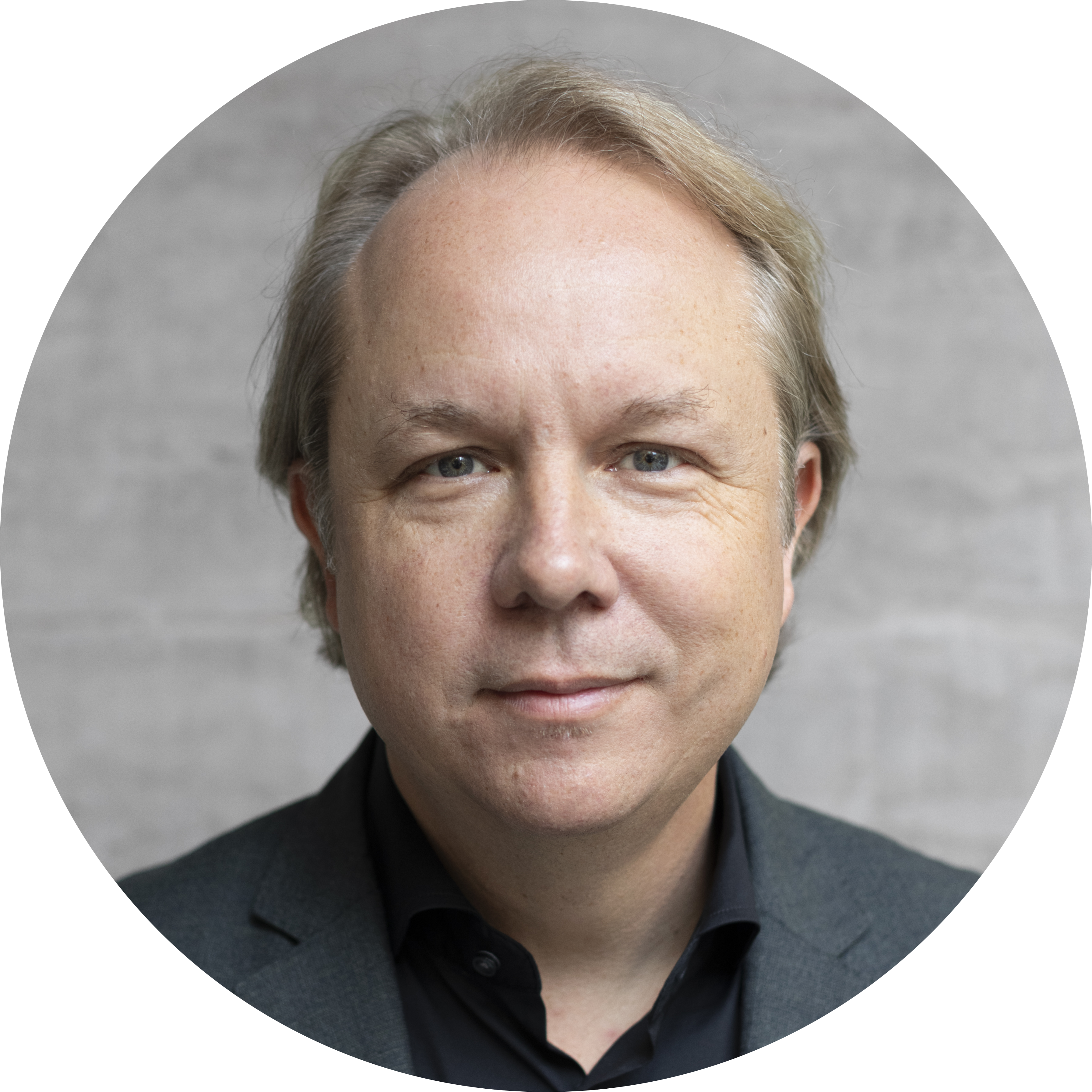 Brian Winter is the Editor-in-Chief of Americas Quarterly and the Vice President of Policy for Americas Society and Council of the Americas. With more than 25 years following Latin American politics and business, he has been described as “one of the best chroniclers and analysts” of the region by Foreign Affairs, and “the best foreign expert on Brazil of this moment” by GloboNews. Brian lived for a decade in Brazil, Argentina and Mexico as a journalist for Reuters before joining AS/COA in New York in 2015. His books include Why Soccer Matters, a New York Times bestseller he wrote with the Brazilian soccer legend Pelé; The Accidental President of Brazil, co-written with President Fernando Henrique Cardoso; and The Ugliest City You’ll Ever Love, a book about São Paulo to be published in early 2026.
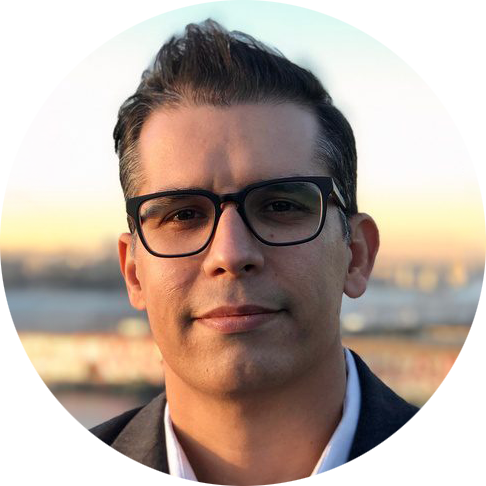 Jorge Antonio Alves (Ph.D., Brown University) is Associate Professor of Political Science at Queens College, CUNY, where he teaches courses on comparative and international politics of Latin America, and the political economy of development in the Global South. He is also the current director of Queens College’s Latin American and Latino Studies (LALS) program, where he has organized a long-running interdisciplinary speaker series. His research focuses on Brazilian subnational politics, particularly on how political parties choose how they will compete nationally and locally and the effect of those choices on governance institutions that provide public goods like social services, especially public health. He is currently working on a fieldwork-based book project about how the Brazilian public health care system responded to the twin stress tests of the COVID-19 pandemic and the illiberal turn in western democracies.
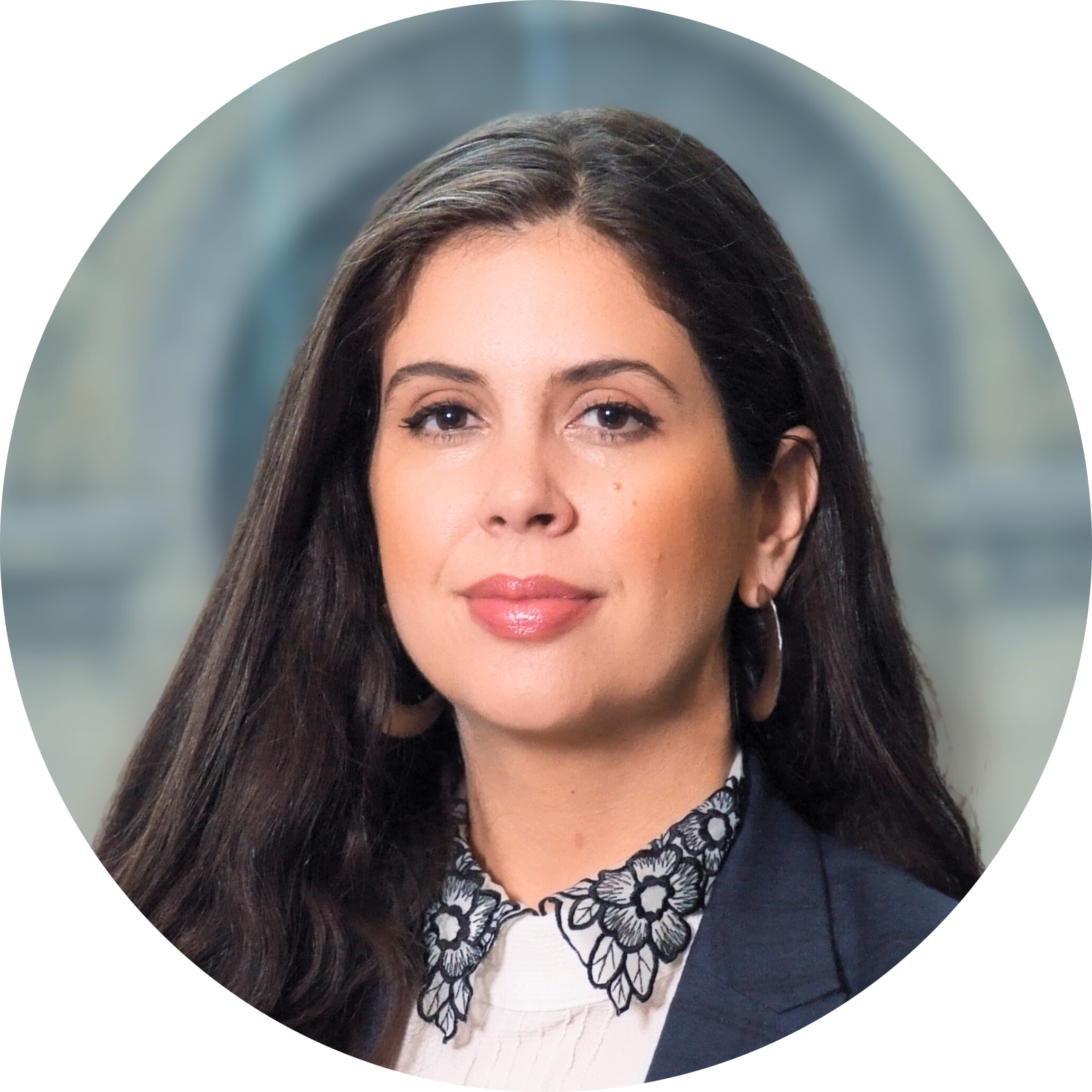 Karla Mundim (Ph.D., University of Florida) is Assistant Professor of Political Science at John Jay College, CUNY. Her research interests include Indigenous identities, mobilization and social movements, Indigenous women’s issues and activism, conceptions of cuerpo-territorio (body-territory), theories of extraction, colonialism, multiculturalism, and territoriality, with a particular focus on Latin America. Recent research projects emphasize Indigenous struggles against the marco temporal (temporal landmark) legal thesis in Brazil; analyze the impact of systematic forced sterilizations of Indigenous women in Peru; and explore valuable insights Indigenous and feminist collectives from Latin America can offer to similar justice-centered social movements beyond the region.
Moderator: Enrique Desmond Arias, The Graduate Center/ Baruch College, CUNY
TO REGISTER send email to bildner@gc.cuny.edu