Brazil's 2026 Elections: Stakes & Implications
October 22, 2026 - 4:00 pm
Skylight Room
The Graduate Center, CUNY
Brazil is in the midst of an enormously consequential electoral race between Flavio Bolsonaro, the scion of the right-wing populist Bolsonaro dynasty, and Luis Inácio Lula da Silva, longtime leader of the Workers’ Party, as he seeks his fourth term. In the first round of elections on October 4th, Senator Bolsonaro led by less than two percentage points, 47 to 45. As the two head to a second round of elections on Sunday, October 25th, Senator Bolsonaro appears to have a slight advantage, as less successful candidates on the right garnered more votes than similarly defeated leftist candidates.
This election turns on key questions about Brazilian sovereignty amid international pressure from the United States, corruption, human rights and security, tariffs and international trade, and the cost of living in Brazil. Bringing together leading scholars of Brazil, this roundtable will address these issues and discuss in more detail the results of the first round, including expectations for the incoming congress, the upcoming second-round election, and prospects for a subsequent Bolsonaro or Lula government.

Gladys Mitchell-Walthour (Ph.D., University of Chicago) is Professor and Dan T. Blue Endowed Chair of Political Science at North Carolina Central University. She studies Afro-Brazilian political behavior, race, gender, and social policies in Brazil. In 2023, she published The Politics of Survival: The Political Opinions of Social Welfare Beneficiaries in Brazil and the USA (Columbia University Press). She is co-editor of “Black Lives Matter in Latin America (2024).” She is a 2022 Fulbright fellow and has held fellowships at Duke University, Johns Hopkins University, and Harvard’s David Rockefeller Center for Latin American Studies.

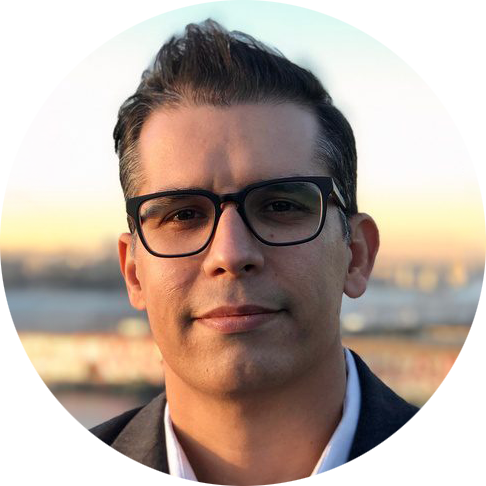 Jorge Antonio Alves (Ph.D., Brown University) is Associate Professor of Political Science at Queens College, CUNY, where he teaches courses on comparative and international politics of Latin America, and the political economy of development in the Global South. He is also the current director of Queens College’s Latin American and Latino Studies (LALS) program, where he has organized a long-running interdisciplinary speaker series. His research focuses on Brazilian subnational politics, particularly on how political parties choose how they will compete nationally and locally and the effect of those choices on governance institutions that provide public goods like social services, especially public health. He is currently working on a fieldwork-based book project about how the Brazilian public health care system responded to the twin stress tests of the COVID-19 pandemic and the illiberal turn in western democracies.
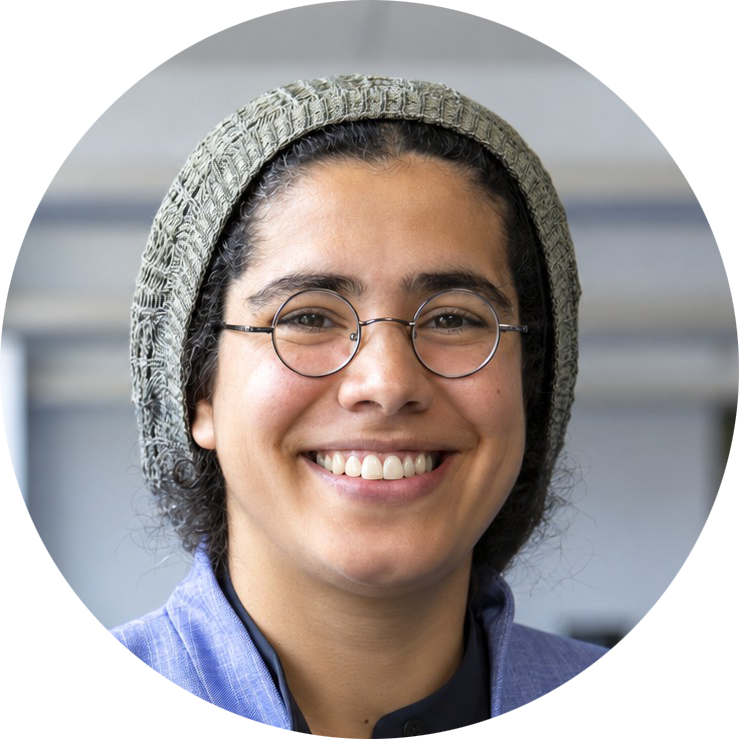 Rubia R. Valente (Ph.D., University of Texas at Dallas) is Associate Professor of Public Policy and Research Methods at the Marxe School of Public and International Affairs, Baruch College, CUNY. She is the Vice President of the Brazilian Studies Association (BRASA) and a Research Fellow at the Washington Brazil Office (WBO). Her research examines race and socioeconomic inequality, political behavior, and public policy in Brazil and Latin America. Her work has addressed racial inequality in education and economic outcomes, affirmative action, political participation and protest in Brazil, and the political attitudes and behavior of Brazilian immigrants in the United States.
 Enrique Desmond Arias is the Director of the Bildner Center for Western Hemisphere Studies and a Professor at the Graduate Center, CUNY. He is the Austin W. Marxe Professor of Western Hemisphere Affairs at Baruch College. Arias is the author of several influential books, including Criminal Enterprises and Governance in Latin America and Drugs and Democracy in Rio de Janeiro. His research has been published in major journals like Comparative Politics and Political Geography, and has been supported by organizations such as the National Science Foundation. He has also served as a consultant for the United Nations and the Ford Foundation.
Opening Remarks: Enrique Desmond Arias, The Graduate Center/ Baruch College, CUNY
Moderator: Rubia R. Valente, Baruch College, CUNY
TO REGISTER send email to bildner@gc.cuny.edu