Environment, Security, and the Amazon in Comparative Perspective
April 30, 2026 - 12:00 pm
Segal Theatre
The Graduate Center, CUNY
Check out the full event schedule here
The Amazon rainforest is one of the Earth’s most precious biomes and plays a critical role in counteracting the climate crisis. It is home to nearly forty million people across eight countries and one overseas territory, and to approximately 400 ethnic groups, 60 of which still live in voluntary isolation. Almost 2.7 million inhabitants are members of Amazonian indigenous groups (which accounts 9.2% of the total population). It also contains 10% of the planet’s biodiversity and its rivers discharge around 20% of the world’s freshwater into the Atlantic Ocean. The Amazon is an important source of biodiversity and is responsible for removing a great deal of carbon dioxide from the atmosphere.
The Amazon is also an important source of wealth. The region has a long history of resource extraction since the colonial period that includes logging, rubber tapping, quinine, animal pelts, mineral resources, hydroelectric power, petroleum, and coca growing. These activities have long involved criminal actors, transnational corporations, and states that have increasingly put local communities at risk. The Amazon is an extremely lethal place for environmental and land defenders, accounting for around 300 assassinations in the last 14 years, one fifth of the total of such killings worldwide. Illicit activities have also posed important environmental challenges including pollution and deforestation of this critical area, resulting in the deforestation of 33.7 million hectares (83.4 million acres) of primary forest.
This conference will bring together experts on environmental security in the upper Amazon with CUNY students working on environmental issues to discuss security and violence in the region and the prospects for addressing the serious challenges facing not just the Amazon but also other environmentally critical regions around the globe.
Mapping the Illicit Flow: Riverine Logistics, Criminal Convergence, and the Humanitarian Crisis in the Colombia-Brazil Borderlands.
The Caquetá-Japurá and Puré-Puruê rivers function as logistical corridors for environmental crimes, which are part of a complex criminal portfolio. Criminal actors take advantage of river mobility and inadequate border governance to evade state control, resulting in significant environmental and humanitarian impacts. Addressing the exploitation of Amazonian riverine flows is essential for disrupting criminal networks engaged in environmental financial crimes.
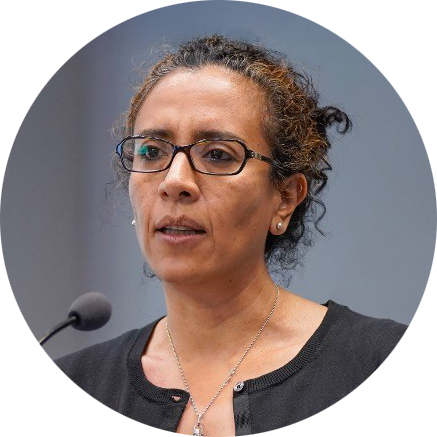
Liliana Duica-Amaya is a senior researcher at the Foundation for the Conservation and Development. With over 20 years of consulting experience in Latin America her research focuses on analyzing deforestation dynamics and their links to environmental crimes. Liliana is a faculty member at Georgetown University in Washington D.C., teaching in the Master of Latin American Studies at the School of Foreign Service. She holds a Ph.D. in Anthropology and M.A. degrees in Political Science, Geography, and Anthropology.
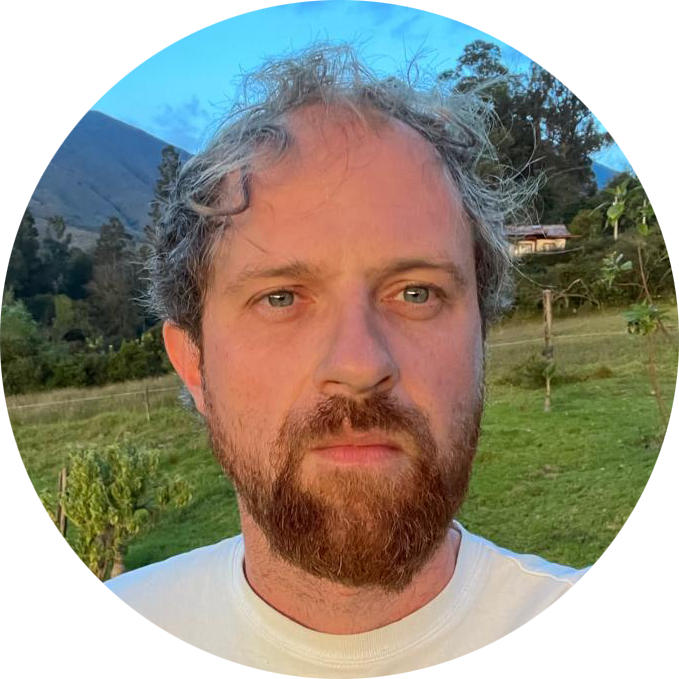
Challenges to Enforcement of Environmental Crime: from indigenous lands to AI

 Jim Riungu is a Ph.D. candidate in Criminal Justice at John Jay College of Criminal Justice. He is also a Junior Scholar at the Stone Center on Socio-Economic Inequality. His research applies environmental criminology to explain and prevent environmental crimes such as wildlife trafficking, forest crime, and carbon credit fraud. He holds both a master’s and a bachelor’s degree in law, with a specialization in environmental law. He is also an adjunct lecturer at John Jay College, where he teaches undergraduate courses on topics such as Environmental and Criminal Justice.
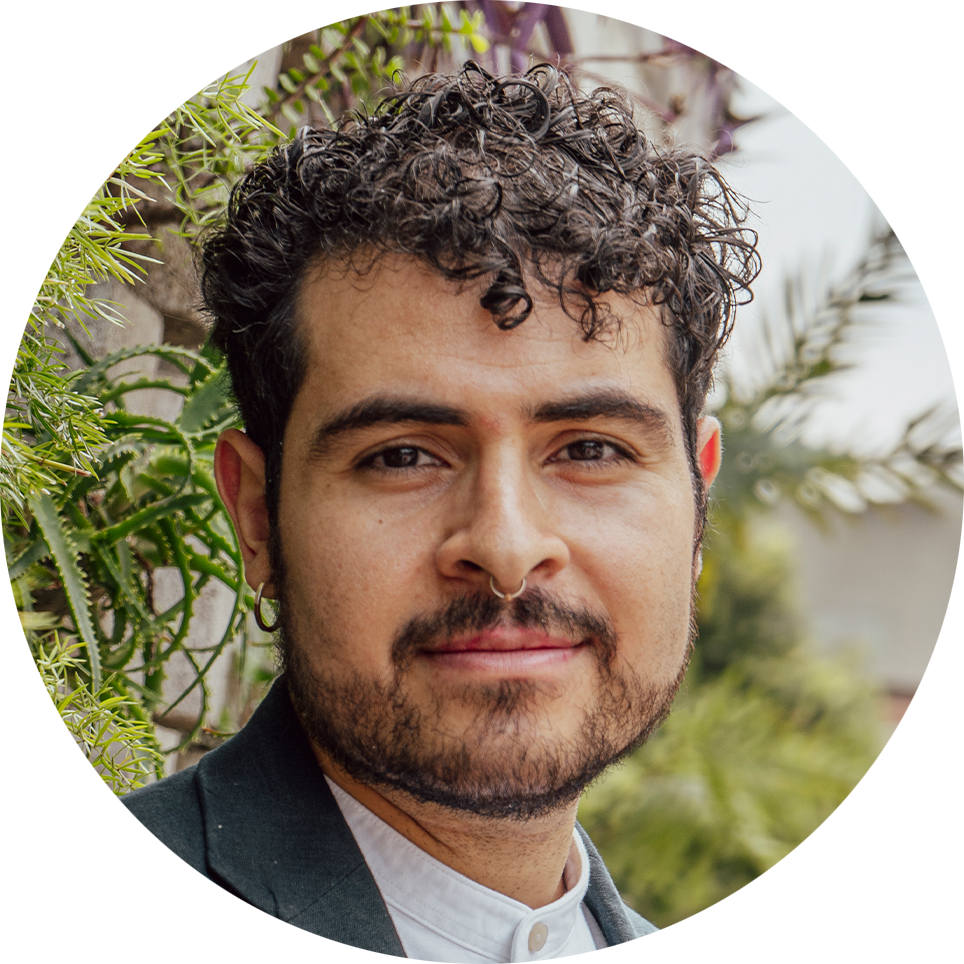 Juan C. Rúa-Serna is a Ph.D. student in Political Science at the City University of New York, The Graduate Center, a Fulbright Scholar, and a Black, Race, and Ethnic Studies (BRES) Fellow. His research interests lie at the intersection of migration studies, human rights, and international organizations. Specifically, his work examines emerging migration challenges in Latin America, focusing on the displacement driven by climate change and the long-term impact of recent migratory flows on the stability and quality of Latin American democracies.

Moderator: Enrique Desmond Arias, The Graduate Center/ Baruch College, CUNY
TO REGISTER send email to bildner@gc.cuny.edu