U.S. Foreign Policy in Latin America
April 2, 2026 - 4:00 pm
Skylight Room
The Graduate Center, CUNY
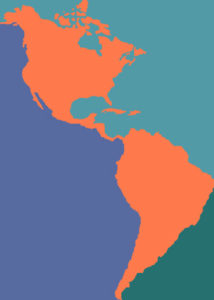
The Trump Administration has markedly changed U.S. foreign policy towards the Western Hemisphere. The core of this shift is articulated in the 2025 National Defense Strategy which announced a new “corollary” to the Monroe Doctrine in which “America’s military stands ready” to “enforce” national interests in the hemisphere with “absolute resolve.” This changing policy has led to the Caracas raid that removed Nicolás Maduro from power, the bombing of boats in the Caribbean and Pacific on suspicion of drug trafficking, threats of military action in Mexico, and an acute tightening of the embargo on Cuba aimed at regime destabilization. This panel will discuss these shifts in the U.S. approach to the Western Hemisphere and how they are affecting regional and global politics.
From Partnership to Pressure: U.S.–Latin America Relations under the Trump Administration
This talk will examine what the Trump administration’s National Security Strategy means for Latin America, a region it aims to assert dominance over through threats of tariffs, sanctions, and even military action to advance U.S. priorities such as curbing migration and stopping the flow of illicit drugs into the United States. While some Latin American governments and political leaders are willing partners with the administration, others are trying to engage pragmatically to avoid negative consequences while still protecting their own priorities and sovereignty—and doing so amid sweeping cuts to U.S. foreign assistance and a broader shift away from democracy and human rights as central pillars of U.S. foreign policy.
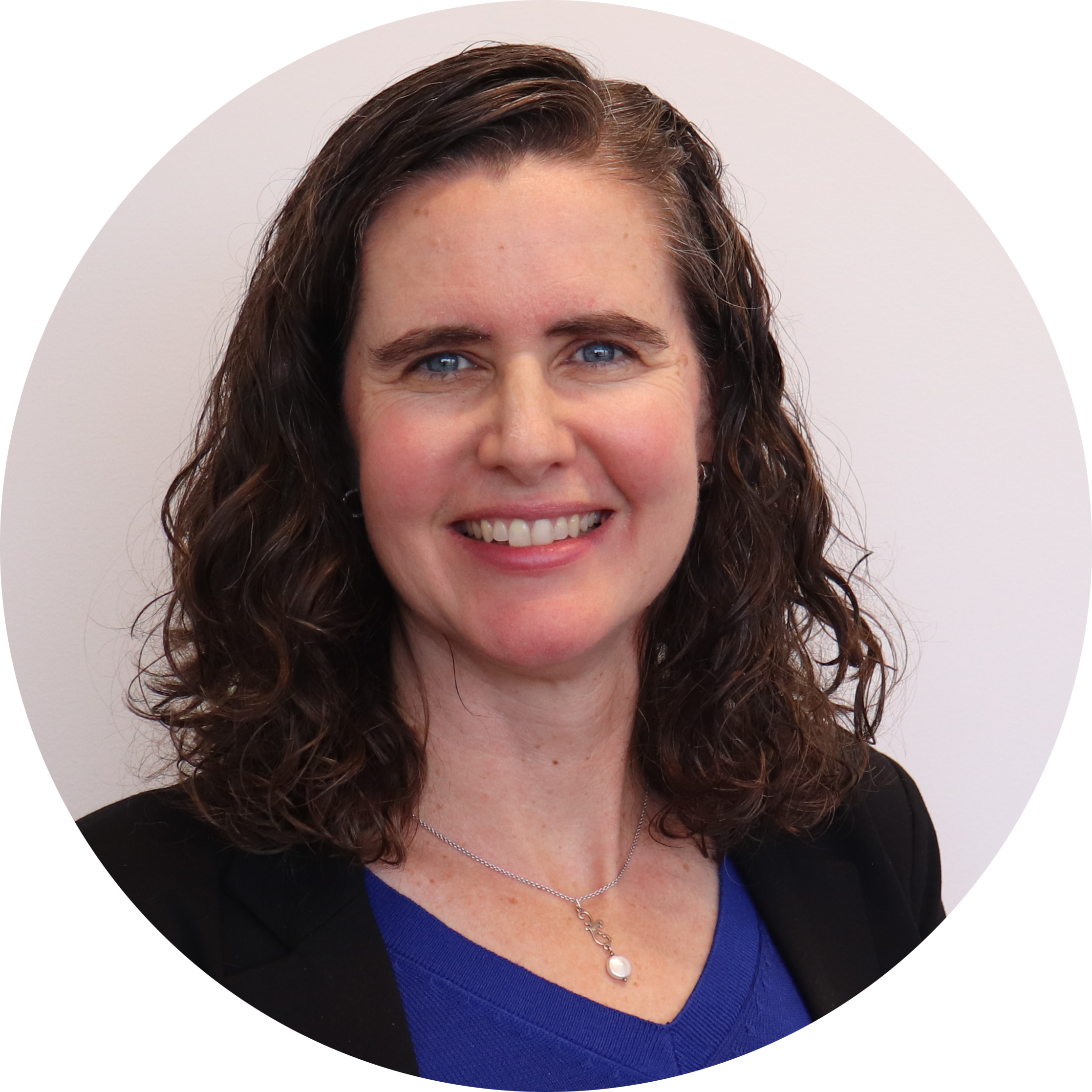 Maureen Meyer serves as WOLA’s Vice President for Programs. With over two decades of experience in human rights, Ms. Meyer works with senior staff to develop policy priorities and advocacy strategies to advance human rights, democracy, and the rule of law in Latin America. She has extensive experience in human rights, security cooperation, and migration, and works closely with various human rights and migrant rights organizations and networks in the region. Before joining WOLA in 2006, Ms. Meyer spent five years in Mexico City, primarily working at the Miguel Agustin Pro Juárez Human Rights Center. Previously, she was an International Development Fellow with the Catholic Relief Services in the Dominican Republic. Ms. Meyer holds an MA in International Development from American University and a BA in Spanish and Anthropology from the University of Arizona.
The Trump administration’s Western Hemisphere policy: continuities and divergences
- Trump’s policies (combined with those of late term Biden) have radically changed regional migration patterns, but little else — so far. Demographic and economic consequences for U.S. and Latin America will appear gradually but are likely to be significant.
- The admin is competing with China selectively and not necessarily effectively. It’s unclear how much focus or effort it’s really expending in this area (contrary to ‘new Monroe doctrine’ claims)
- The greater area of focus, outside migration, seems to be on drug trafficking. It is as of yet unclear whether significant pressure on Mexico’s, Colombia’s and Venezuela’s (new) leaders, as well as more routine cooperation with Guatemala, Honduras, and others, can meaningfully alter which drugs flow north or in what volumes, as well as what pushing governments to crack down will mean for domestic security and stability within Latin America.
- Trump appears less interested in helping elect right-wing governments that sometimes meets the eye, and more willing to cut pragmatic deals with center-leftists like Lula, Petro, Sheinbaum, provided they unquestioningly obey his dictates on drugs and migration.
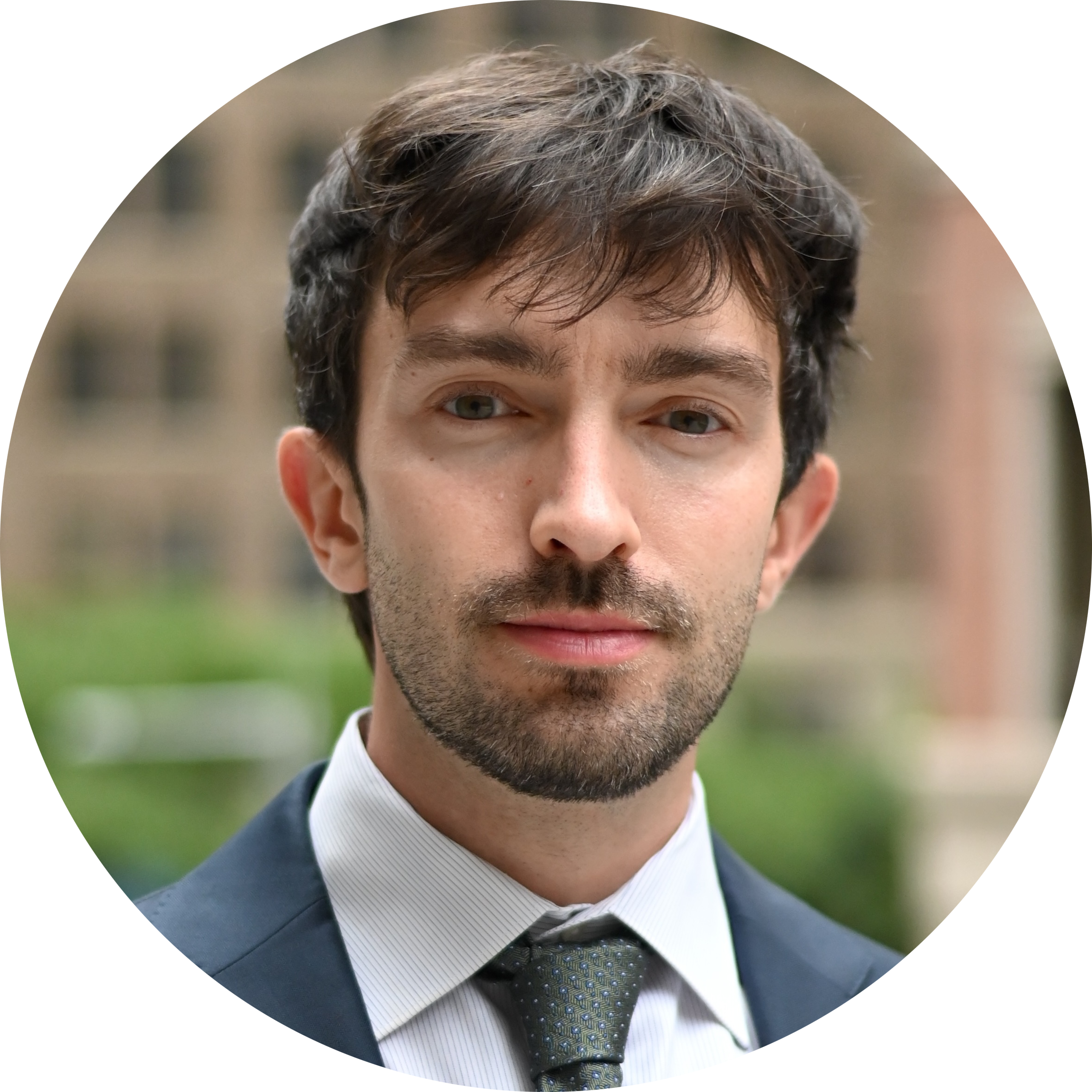 Will Freeman is a Fellow for Latin America Studies at the Council on Foreign Relations (CFR). His work focuses on the rule of law, corruption and organized crime in Latin America, as well as U.S.-Latin America relations. His writing frequently appears in The New York Times, The Financial Times, The Journal of Democracy, Current History, and Foreign Affairs, among other outlets. He holds a Ph.D. in Politics from Princeton University.
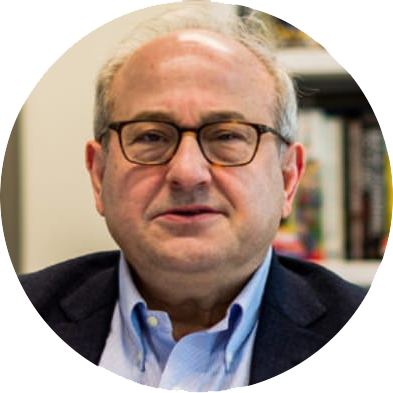 Michael Shifter is former President of the Inter-American Dialogue, a leading policy forum on Western Hemisphere affairs based in Washington, DC, where he held senior positions for nearly three decades and now serves as Senior Fellow. He writes and comments regularly on US-Latin American relations, with articles published in outlets including Foreign Affairs, The New York Times, and The Washington Post, and is frequently interviewed by US, Latin American, European, and Chinese media. Prior to the Dialogue, Shifter directed the Latin American and Caribbean program at the National Endowment for Democracy and led the Ford Foundation’s governance and human rights program in the Andean region and Southern Cone. Since 1993, he has been an adjunct professor at Georgetown University’s School of Foreign Service, teaching Latin American politics. He is a member of the Council on Foreign Relations and serves on the Advisory Committee of Human Rights Watch/Americas Division. Shifter graduated Phi Beta Kappa and Summa Cum Laude from Oberlin College and holds an MA in Sociology from Harvard University.
Moderator: Enrique Desmond Arias, The Graduate Center / Baruch College, CUNY
Co-sponsored by the Marxe School of Public and International Affairs at Baruch College, CUNY
TO REGISTER send email to bildner@gc.cuny.edu